
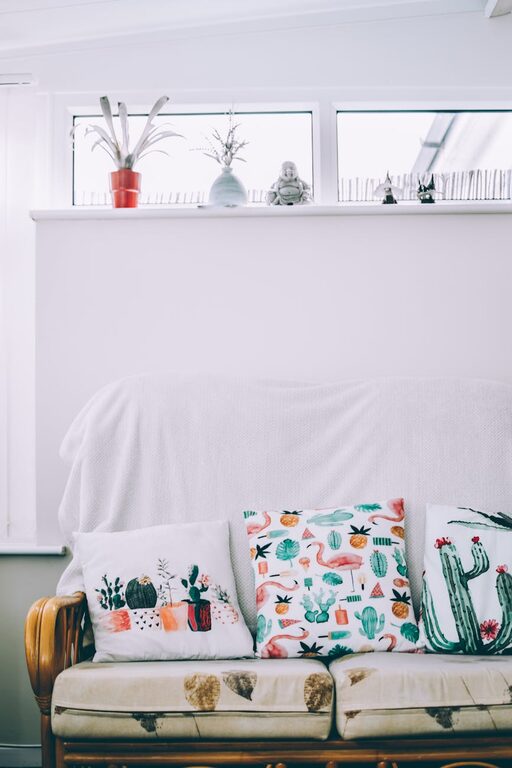
Making the most of a small living space can be a challenge, but with the right approach, it can also be an opportunity to create a cosy, stylish, and highly functional home. Whether you live in a compact apartment or a petite house, clever decorating choices can significantly improve how comfortable and visually appealing your living area feels. Here are some helpful tips to guide you through decorating small spaces without sacrificing style or comfort.
1. Choose Multifunctional Furniture
In small living spaces, every piece of furniture should ideally serve more than one purpose. Look for items that combine storage and seating, such as ottomans with hidden compartments or sofa beds. Nesting tables are perfect as they provide extra surface area when needed but can be tucked away to save space.
Other ideas include:
– Fold-away desks or tables for working or dining
– Wall-mounted shelves and cabinets to maximise vertical space
– Storage benches that double as seating and conceal clutter
Multifunctional furniture helps reduce the number of items you need, freeing up precious floor space and keeping your living area neat.
2. Use Light Colours to Open Up the Space
Colour plays a major role in how spacious a room feels. Light and neutral tones, such as creams, pale greys, soft blues, or gentle greens, reflect more natural light. This makes the room feel more open and airy.
When selecting colours:
– Keep walls, ceilings, and larger pieces light to create a bright base
– Introduce deeper or more vibrant shades through smaller accents like cushions, rugs, or artwork to add personality without overwhelming the space
– Avoid heavy, dark colours on all surfaces as they can make the room feel cramped
Remember, you can also experiment with different textures and finishes within your chosen colour palette to add depth without clutter.
3. Maximise Natural Light
Natural light helps a small room feel fresh and spacious. Make the most of windows by:
– Keeping window dressings light and minimal, such as sheer curtains or blinds that let daylight through
– Positioning mirrors opposite or adjacent to windows to reflect light deeper into the room
– Avoiding bulky furniture or tall items that block light sources
If privacy is a concern, frosted glass or lightweight blinds can let in light without compromising your comfort.
4. Create Vertical Storage Solutions
When floor space is limited, think vertically. Shelving, hooks, and wall-mounted cupboards help keep the floor clear while providing plenty of storage and display options.
Ideas include:
– Floating shelves for books, plants, or decorative objects
– Pegboards or wall grids to hang kitchen utensils, tools, or accessories
– Tall bookcases or storage units that draw the eye upward
– Over-door organisers or hanging baskets for smaller items
Vertical storage helps eliminate clutter, which can otherwise make a small room look chaotic and cramped.
5. Use Rugs to Define Zones
In an open-plan or single-room space, rugs are an effective way to separate areas visually. They add texture, warmth, and colour while creating the illusion of distinct zones.
For example:
– Place a rug under the seating area to anchor the lounge
– Use a different rug in the dining or workspace to delineate that corner
– Choose appropriately sized rugs—too small can make the space feel disjointed, while large ones can unify the room
Layering rugs is also an option if you want to introduce different patterns or textures without overwhelming the space.
6. Keep Decoration Simple and Thoughtful
Clutter can quickly make a small room feel crowded. Instead, be deliberate with your accessories and décor:
– Opt for a few well-chosen pieces rather than many small items
– Display treasured items in groups on shelves or tables
– Use decorative baskets or boxes to store loose items neatly
– Incorporate plants for a natural, fresh touch that also improves air quality
By keeping things simple, your living area will look clean and elegant, encouraging relaxation.
7. Incorporate Mirrors to Expand Space Visually
Mirrors are a classic small space trick because they reflect light and create the illusion of more depth.
Ways to use mirrors effectively:
– Hang a large mirror on a prominent wall to make the room appear bigger
– Use several smaller mirrors clustered together as wall décor
– Choose mirrored furniture or accessories for subtle reflection and shine
Be mindful of mirror placement to avoid awkward angles or reflecting clutter.
8. Think About Scale and Proportion
Choosing the right sized furniture is essential. Oversized sofas or bulky armchairs can overwhelm a small room, while pieces that are too small might feel out of place.
Tips for good scale:
– Select furniture with clean lines and legs to create a sense of openness beneath
– Consider slender, multitasking pieces like slimline chairs or tables with glass tops
– Avoid extra-wide armrests or heavy upholstery that can dominate the space
Aim for a balanced look, where furnishings complement rather than overpower the room.
9. Keep Floors Visible
Whenever possible, keep floor space visible rather than covering every inch. This builds a sense of openness.
Ways to achieve this:
– Use clear or acrylic furniture
– Choose low-profile rugs that reveal some flooring
– Keep pathways clear of excessive furniture
A visible floor tricks the eye into seeing a larger, uncluttered area.
Conclusion
Decorating a small living space is all about thoughtful choices that combine style with practicality. Using multifunctional furniture, light colours, clever storage, and strategic use of light and mirrors can transform any compact room into a comfortable, stylish haven. Remember, less is often more when it comes to small spaces—focus on quality over quantity and create a space that feels just right for you.
With these tips, you’ll be able to maximise both comfort and style, making your small living area a place you love to spend time in. Happy decorating!