
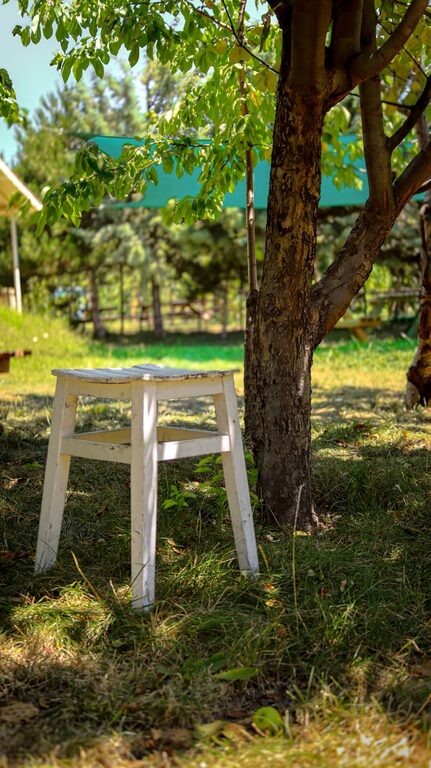
Creating a relaxing garden space at home can be a wonderful way to unwind, connect with nature, and enjoy the fresh air. Whether you have a small balcony, a cosy patio, or a large backyard, a few thoughtful changes can transform your outside area into a peaceful retreat. In this post, we’ll explore practical and easy tips for designing a garden that promotes relaxation and calm.
Why Create a Relaxing Garden Space?
A garden that feels serene helps reduce stress, encourages mindfulness, and offers a private haven away from daily distractions. When your outdoor space is inviting, you’re more likely to spend time outside, which is beneficial for both mental and physical health.
Start with Comfort: Seating and Layout
Choose Comfortable Seating
Comfort is key in a relaxing garden. Invest in seating that suits your style and needs, such as:
– Lounge chairs with cushions for ultimate relaxation.
– Benches or swings for a charming, calm feel.
– Hammocks if space and support allow, perfect for lazy afternoons.
Make sure the seating is weather-resistant or easy to cover.
Create a Thoughtful Layout
Arrange your furniture and plants in a way that encourages easy movement and creates cosy corners. Consider:
– Positioning seating to enjoy the best views or morning/evening sun.
– Creating different zones, such as a reading nook or dining area.
– Leaving enough open space so the garden doesn’t feel cluttered.
Soothing Colours and Textures
Selecting the right colours and textures can boost the calming vibe in your garden.
Use Soft, Natural Colours
Colours like soft greens, blues, and earthy tones are calming and blend well with nature. Paint fences, walls, or choose garden furniture in muted shades to foster relaxation.
Incorporate Variety in Plants and Materials
Mix textures by combining:
– Smooth leaves with spiky ones.
– Rough stone paths with soft grass.
– Wood furniture alongside metal or rattan pieces.
This creates visual interest without overwhelming the senses.
Pick Plants that Promote Calm
Certain plants are known for their peaceful qualities or gentle scents.
Favourite Calm-Inducing Plants
– Lavender: Relaxing scent and lovely purple flowers.
– Jasmine: Sweet fragrance perfect for evening.
– Ferns and grasses: Soothing greens that sway in the breeze.
– Succulents and herbs: Low-maintenance and pleasant to touch.
Try to include plants that are easy to care for, so gardening remains a pleasure, not a chore.
Add Water Features for Tranquillity
The sound of water can greatly enhance a garden’s relaxing atmosphere.
Simple Water Ideas
– A small fountain or water bowl.
– A birdbath, which also invites wildlife.
– A gentle stream or pond, if space allows.
Water features bring movement and natural sounds, helping to drown out noise pollution from surrounding areas.
Use Lighting to Extend Enjoyment
Good lighting extends your garden’s usability into the evening.
Relaxing Lighting Tips
– Soft fairy lights or lanterns create a magical atmosphere.
– Solar-powered garden lights are eco-friendly and easy to install.
– Spotlights aimed at feature plants or trees add depth without harshness.
Avoid bright, glaring lights to maintain the calm ambiance.
Create Privacy and Shelter
Feeling sheltered and private allows you to relax fully.
Ways to Add Privacy
– Plant hedges or tall shrubs.
– Use trellises with climbing plants, such as clematis or roses.
– Install garden screens or fencing matching your style.
Adding a pergola or canopy can provide shade and a sense of enclosure, making the space feel intimate and protected.
Incorporate Personal Touches
Make the garden your own by adding elements that bring you joy and comfort.
Ideas for Personalisation
– Outdoor cushions and throws in favourite colours.
– Wind chimes for gentle background sound.
– Garden art, such as sculptures or painted pots.
– A small bookshelf or a table with your favourite books and magazines.
These details can make your garden feel truly inviting and personalised.
Maintain Your Garden with Ease
A relaxing garden should require manageable upkeep to keep stress levels low.
Practical Maintenance Tips
– Mulch beds to reduce weeds.
– Choose drought-tolerant plants to minimise watering.
– Schedule regular but brief gardening sessions for upkeep.
– Use automatic watering systems if possible.
Keeping your garden looking tidy and healthy enhances the feeling of calm.
—
By following these tips, you can create a garden space that is not only beautiful but also a sanctuary for peace and relaxation. Remember, the best garden for relaxation is one that suits your lifestyle and brings you comfort. Start small, add gradual improvements, and enjoy the process of creating your perfect outdoor retreat.