
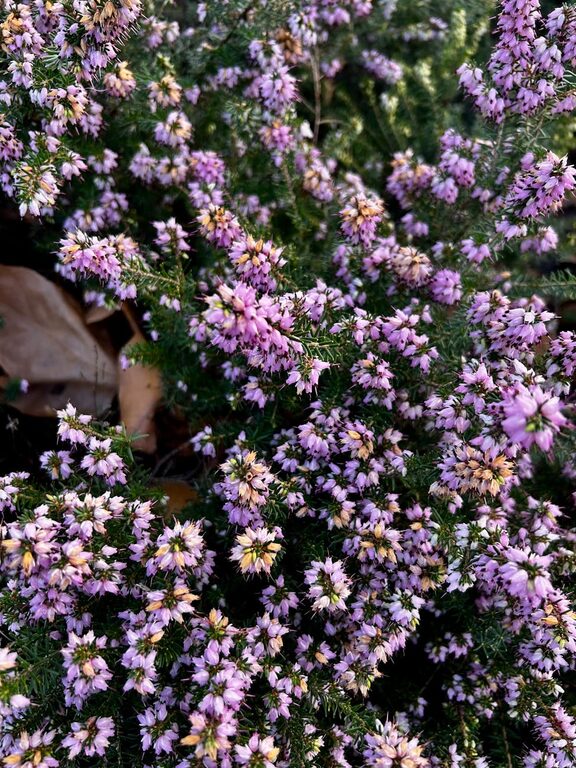
Creating a beautiful garden that requires little maintenance can seem like a daunting task, especially if you want it to look good in every season. However, with thoughtful planning and smart choices, it’s entirely possible to enjoy a vibrant year-round garden without spending hours on upkeep. This guide will offer practical tips on how to achieve a garden that stays healthy, colourful, and inviting all year long, while keeping maintenance simple.
Plan Your Garden with Maintenance in Mind
Before planting, spending time on design and planning is key to ensure the garden is both beautiful and low-maintenance.
Choose the Right Plants for Your Climate
Selecting plants suited to your local climate will save a lot of work. Native plants often need less water, fertiliser, and pruning because they’ve adapted to local conditions. Research your region’s typical weather patterns, soil type, and common pests to find plants that will thrive with minimal intervention.
Incorporate Evergreens and Perennials
Evergreens provide colour and structure throughout winter, maintaining visual interest when deciduous plants have shed leaves. Perennials regrow every year, meaning you won’t have to replant annually. Mix a variety of these with some seasonal flowering plants to ensure your garden looks good in all seasons.
Use Practical Garden Design Techniques
Smart design choices can reduce the time and effort required to care for your garden.
Group Plants with Similar Needs
Arrange plants according to their water and sunlight requirements. This makes watering and feeding more efficient and reduces stress on plants. For example, group drought-tolerant plants together in sunny spots and shade-loving plants where the sun is weaker.
Opt for Mulching
Mulch helps retain soil moisture, suppresses weeds, and improves soil health. Apply a 5-10cm layer of organic mulch such as bark chips or leaf mould around plants and garden beds. This means less watering, fewer weeds, and less frequent feeding.
Create Defined Beds and Paths
Clearly defined beds and stone or gravel paths reduce the area you need to mow or weed. Paths also prevent trampling on plants and make access easier for maintenance tasks.
Select Low-Maintenance Plants
Some plants naturally require less care than others. Choosing these will make gardening easier and more enjoyable.
Shrubs and Bushes
Lavender, boxwood, and hydrangeas are good examples of shrubs that require minimal pruning and are drought tolerant once established.
Ornamental Grasses
These add texture and movement and often survive with very little watering or feeding. Varieties like miscanthus or stipa are popular for low-maintenance gardens.
Ground Covers
Plants such as creeping thyme or sedum can reduce weeds by covering bare patches of soil, minimising maintenance.
Bulbs and Hardy Perennials
Daffodils, tulips, and hellebores come back year after year with little care and add seasonal colour.
Water and Feed Efficiently
Taking a strategic approach to watering and feeding helps maintain plant health without wasting resources.
Use a Drip Irrigation System or Soaker Hoses
These deliver water directly to plant roots, reducing evaporation and water usage. They also save time compared to hand watering.
Water Early in the Day
Morning watering reduces evaporation and allows plants to absorb moisture before the heat of the day.
Choose Slow-Release Fertilisers
Slow-release products feed plants gradually, avoiding the need for frequent applications.
Keep Up with Simple Maintenance Tasks
Even low-maintenance gardens benefit from some routine attention. The good news is these tasks usually take very little time.
Regular Weeding
Frequent light weeding is easier than letting weeds get out of control. Mulching also reduces overall weed growth.
Prune Appropriately
Focus on pruning to remove dead or diseased wood and shape plants once or twice a year. Avoid excessive pruning which can increase maintenance needs.
Clean Garden Tools
Keeping tools sharp and clean makes tasks easier and protects plant health.
Consider Adding Hard Landscaping and Features
Adding non-plant elements can provide structure and interest to your garden while lowering maintenance.
Patios and Decking
These provide outdoor living space without adding to gardening chores.
Rock Gardens and Gravel Areas
These require almost no watering and minimal maintenance while adding texture and contrast.
Water Features
Small ponds or fountains add tranquillity and habitat for wildlife; choose designs that circulate water to prevent stagnation and reduce upkeep.
Embrace Seasonal Changes
Accept that your garden will look different in each season and plan for this variety to become part of its charm.
Plant for Each Season
Include spring bulbs, summer flowers, autumn shrubs with colourful foliage, and winter evergreens or berries.
Let Some Plants Go Dormant
Allowing perennials to rest in winter reduces stress and maintenance needs.
Final Thoughts
Creating a beautiful, low-maintenance garden year-round is all about smart choices and good planning. By selecting the right plants, designing efficient layouts, using mulches and water-saving techniques, and performing light regular care, you can enjoy a stunning outdoor space with less effort. Even small steps can lead to big improvements in your garden’s health and appearance, making it a relaxed and rewarding place to be all year long.