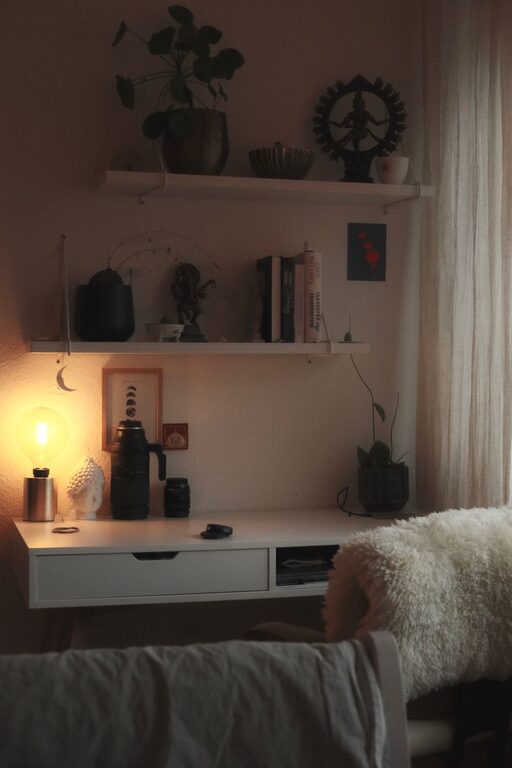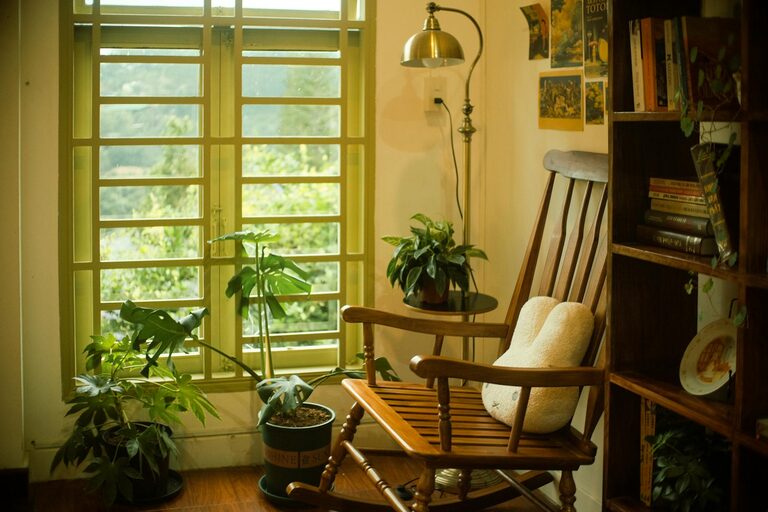

Setting up a home office that is both relaxing and productive can be challenging. With distractions all around and the need to stay focused, creating a space that supports your work and well-being is essential. Whether you have a dedicated room or a small corner, these tips will help you design an environment that makes working from home more enjoyable and effective.
Choose the Right Location
Consider Natural Light
Position your desk near a window if possible. Natural light helps improve mood and alertness, reducing eye strain. If natural light is limited, invest in good quality lighting that mimics daylight to keep your workspace bright and inviting.
Minimise Noise
Try to choose a quiet spot away from household noise like the TV or kitchen. If noise is unavoidable, noise-cancelling headphones or a white noise machine can help you concentrate better.
Invest in Comfortable and Functional Furniture
Ergonomic Chair
Spending hours seated means comfort is key. An ergonomic chair properly supports your back and encourages good posture, preventing aches and strains.
Appropriate Desk Size
Choose a desk that fits your work needs without crowding the space. Having enough room for your computer, paperwork, and other essentials helps keep you organised and efficient.
Adjustable Options
If possible, consider a height-adjustable desk that allows you to alternate between sitting and standing. This can boost circulation and reduce fatigue.
Keep Your Workspace Organised
Declutter Regularly
A cluttered desk can hinder focus. Make it a habit to tidy your workspace daily by filing away documents and removing non-essential items.
Use Storage Solutions
Shelving units, filing cabinets, and desk organisers keep supplies and paperwork neat and accessible. Labelled boxes or trays also make finding things quicker.
Cable Management
Tidy cables using clips or covers to prevent a tangled mess that can be distracting and even hazardous.
Personalise Your Space
Add Calming Colours
Neutral or soft colours like light blues, greens, or greys create a soothing atmosphere which promotes relaxation and concentration.
Incorporate Plants
Houseplants improve air quality and add a touch of nature, making the workspace more pleasant. Low-maintenance options like succulents or spider plants are ideal for busy schedules.
Display Meaningful Items
Keep a few personal items, such as photos or inspirational quotes, to make the space feel welcoming without overwhelming it.
Optimise Technology Setup
Reliable Equipment
Ensure your computer, internet connection, and other devices are dependable, reducing frustration during work.
Organised Workspace Tech
Position monitors at eye level and use accessories like an external keyboard and mouse for better ergonomics.
Backup and Security
Regularly back up your work and keep security software up to date to avoid data loss or breaches.
Establish Boundaries Between Work and Home
Define Working Hours
Set clear start and finish times to maintain a healthy work-life balance. Communicate these boundaries to family members or housemates.
Designate Your Workspace
Even if space is limited, try to keep your workspace separate from relaxation areas. This helps your brain switch between work mode and rest mode more easily.
Take Breaks
Incorporate regular breaks to stretch, move around, and rest your eyes. A short walk or simple stretches can refresh your mind and body.
Use Aromatherapy and Sound
Pleasant Scents
Essential oils like lavender or eucalyptus can create a calming environment. Use a diffuser to gently scent your room without overpowering it.
Background Sounds
Soft instrumental music, nature sounds, or white noise can help drown out distractions and enhance concentration.
Maintain Good Air Quality and Temperature
Ventilate Regularly
Fresh air boosts alertness and helps maintain focus. Open a window or use an air purifier when necessary.
Comfortable Temperature
Maintain a temperature that suits you, generally around 20–22°C. Too hot or cold environments can be distracting.
—
Creating a home office that balances relaxation and productivity is all about thoughtful design and good habits. By incorporating these tips, you can build a workspace that supports your wellbeing while helping you achieve your best work every day. Remember, a pleasant and organised environment makes work feel less like a chore and more like an opportunity.