Creating a relaxing home workspace can make a significant difference to your productivity and well-being. When your working environment feels calm and organised, it is easier to focus, stay motivated, and manage stress. Whether you work remotely full-time or occasionally, adapting your space to support your needs can boost your efficiency and comfort.
Here are some practical tips to help you design a relaxing home workspace that encourages productivity.
1. Choose the Right Location
Prioritise Natural Light
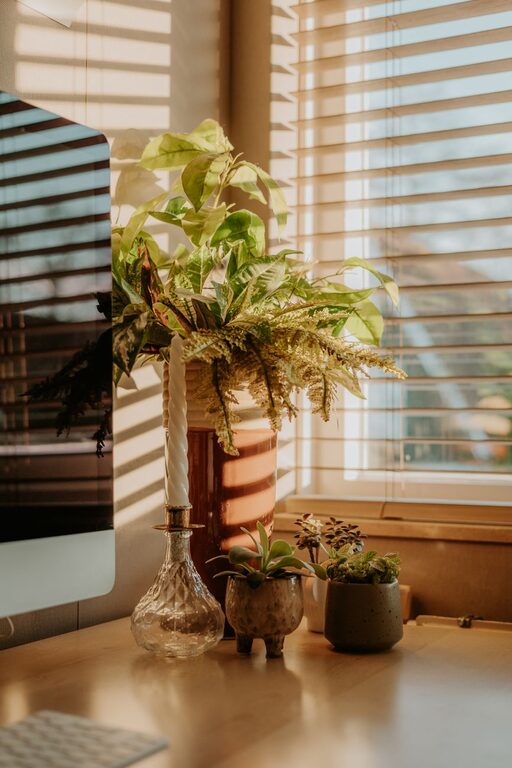
Natural light can improve mood, reduce eye strain, and help regulate your sleep patterns. Try to place your desk near a window to make the most of daylight. If natural light is limited, use warm, balanced lighting to create a comfortable atmosphere.
Minimise Noise and Distractions
Select a spot in your home that is quiet and away from busy areas. This helps reduce interruptions and improves concentration. If background noise is unavoidable, consider using noise-cancelling headphones or a white noise machine.
2. Invest in Comfortable Furniture
Ergonomic Chair and Desk
Comfortable seating and a suitable desk height are essential for long working hours. An ergonomic chair with good lumbar support prevents back pain, while a desk at the right height keeps your posture aligned. Adjustable furniture can be ideal if you share the space or want flexibility.
Declutter Your Desk
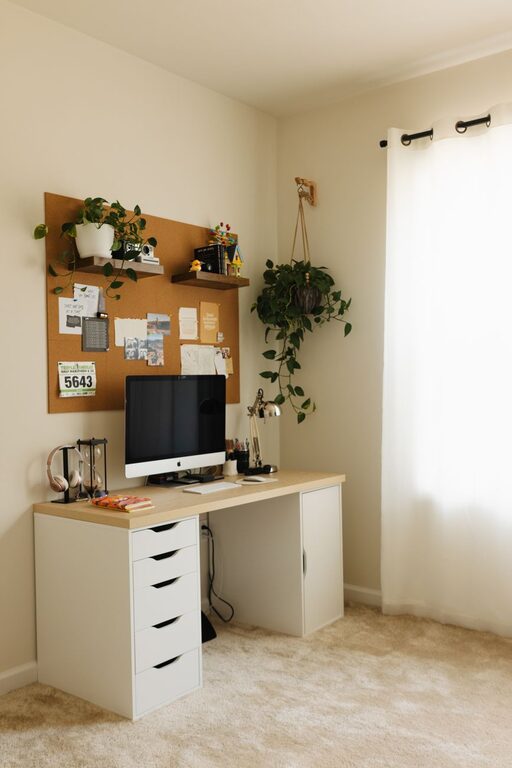
A clean, organised workspace reduces stress and improves focus. Keep only essential items on your desk, such as your computer, notebook, and a pen holder. Use cable organisers to avoid tangled wires.
3. Add Personal Touches for Calmness
Soothing Colours
Choose calming colours like soft blues, greens, or neutrals for your walls or décor. These shades can create a peaceful environment that lowers stress levels and helps you feel centred.
Incorporate Plants
Indoor plants add a touch of nature and improve air quality. They also promote a sense of calm and can boost creativity. Popular low-maintenance options include spider plants, succulents, and snake plants.
4. Optimise Lighting
Use Layered Lighting
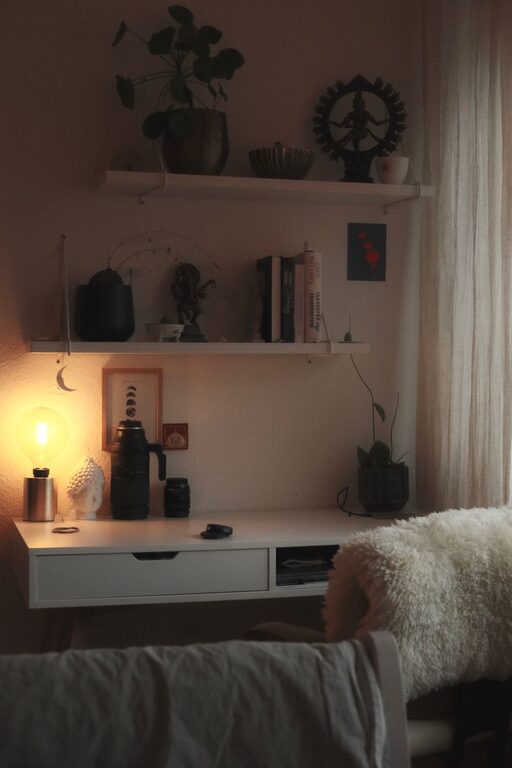
Combine ambient, task, and accent lighting to create a balanced setting. A desk lamp with adjustable brightness is especially useful for detailed work, reducing eye strain during late hours.
Control Glare
Position your screen and lighting to avoid glare, which can cause headaches and fatigue. An anti-glare screen protector can also help.
5. Keep Organised with Storage Solutions
Use Shelves and Drawers
Having designated places for your supplies helps keep your workspace tidy. Floating shelves, filing cabinets, and drawer organisers are excellent for storing documents, stationery, and equipment.
Digital Organisation
Take advantage of software tools for managing tasks and files to keep your workflow streamlined and reduce paper clutter.
6. Incorporate Elements for Regular Breaks
Comfortable Seating Area
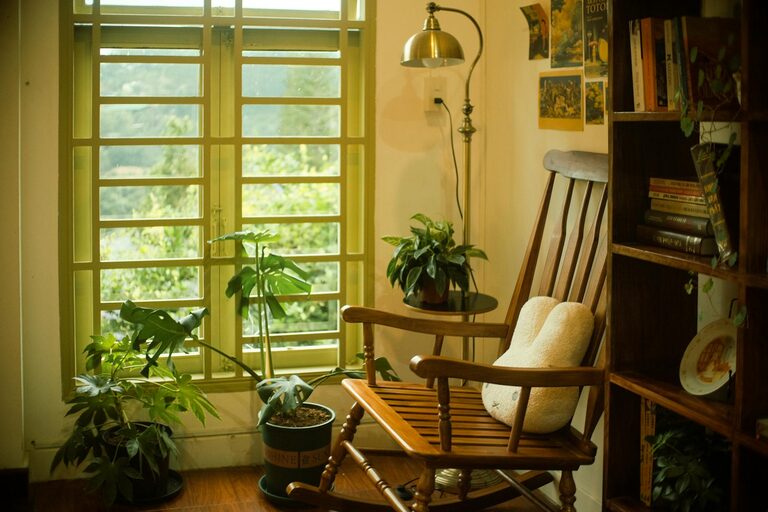
If space permits, set up a small corner with a comfy chair or cushion where you can relax during breaks. Taking short breaks away from your desk refreshes your mind and prevents burnout.
Timer or Reminder Apps
Use apps to remind you to take breaks and stretch regularly. This supports both your physical health and mental well-being.
7. Maintain Air Quality and Temperature
Ventilation
Fresh air helps keep your mind alert. Open windows regularly or use an air purifier to improve indoor air quality.
Comfortable Temperature
Ensure your workspace stays at a comfortable temperature, as extreme heat or cold can distract you from your tasks.
8. Limit Digital Distractions
Manage Notifications
Switch off non-essential notifications on your devices while working. Consider setting ‘focus’ or ‘do not disturb’ modes to maintain concentration.
Use Productivity Tools
Apps like website blockers, task managers, or time trackers can help you stay on task and reduce the temptation to browse aimlessly.
Final Thoughts
A relaxing home workspace tailored to your needs can transform the way you work. By paying attention to your environment’s lighting, comfort, organisation, and atmosphere, you create a space that supports productivity and well-being. Start with small changes and gradually design a home office that helps you stay motivated and efficient every day.