
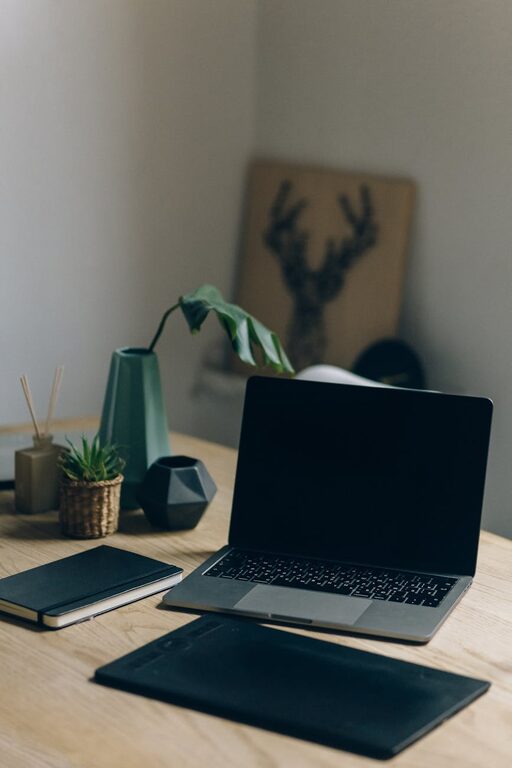
Creating a relaxing home workspace is essential for anyone working from home or spending extended time at their desk. A well-designed environment can significantly improve your productivity while also supporting your mental and physical wellbeing. In this post, we’ll explore practical tips and ideas to help you build a workspace that feels calm, organised, and inspiring.
Why a Relaxing Workspace Matters
Your workspace sets the tone for your workday. A cluttered, noisy, or uncomfortable area can increase stress levels and make it harder to concentrate. Conversely, a relaxing and thoughtfully arranged space promotes focus, creativity, and a positive mood. This leads to better performance and a healthier work-life balance.
Choosing the Right Location
Find a Quiet Spot
Select a part of your home that offers some peace and quiet. If possible, choose a room with a door to minimise distractions. For those without a dedicated room, a corner away from busy household areas can work well.
Maximise Natural Light
Natural daylight has been shown to boost mood and alertness. Position your desk near a window to benefit from natural light, but be mindful of glare on your screen. Use blinds or curtains to control brightness as needed.
Comfort is Key
Invest in Ergonomic Furniture
Your chair and desk play a crucial role in your comfort. Choose an ergonomic chair that supports your back and encourages good posture. Adjustable desks that allow you to switch between sitting and standing can be beneficial too.
Maintain Proper Screen Height
Ensure your monitor is at eye level to reduce neck strain. Use a monitor stand or stack some books under your screen if necessary.
Keep Essentials Within Reach
Organise your desk so that frequently used items like pens, notepads, or a water bottle are easily accessible without cluttering the workspace.
Create a Calming Atmosphere
Use Soothing Colours
Colours affect how we feel. Soft, neutral tones such as pale blues, greens, or greys can create a calming environment. Avoid overly bright or harsh colours that may cause distraction.
Add Plants
Indoor plants not only improve air quality but also add a touch of nature that can reduce stress and increase focus. Choose easy-care plants like snake plants or pothos.
Incorporate Gentle Lighting
Consider warm, adjustable lighting options rather than relying solely on overhead fluorescent lights. Desk lamps with soft bulbs can make the space feel cosy without straining your eyes.
Minimise Distractions
Declutter Regularly
A tidy desk helps clear your mind. Develop a habit of organising your workspace at the end of each day to keep clutter at bay.
Use Storage Solutions
Boxes, trays, and drawers can store supplies and paperwork neatly out of sight. Label storage containers to find items quickly and keep everything in order.
Manage Noise
If background noise is unavoidable, try noise-cancelling headphones or play soft instrumental music to maintain concentration.
Incorporate Personal Touches
While keeping the workspace professional, adding a few personal items can make the space more inviting. Photos, artwork, or meaningful objects create a positive environment and boost motivation.
Prioritise Wellbeing Practices
Take Regular Breaks
Set reminders to stand up, stretch, or walk around every hour. This helps prevent physical strain and refreshes your mind.
Stay Hydrated and Nourished
Keep a bottle of water nearby and don’t forget to eat balanced meals during the day to maintain energy levels.
Practice Mindfulness
Consider adding a small space for short relaxation exercises or meditation breaks to reduce stress.
Final Thoughts
Designing a relaxing home workspace requires attention to both functionality and comfort. By choosing the right location, investing in ergonomic furniture, controlling lighting, minimising distractions, and adding personal touches, you can create an environment that supports both productivity and wellbeing. Remember, your workspace should motivate you to work efficiently while also making you feel calm and comfortable.
Creating the ideal home office space might take some time and adjustment, but the benefits for your everyday work experience and overall health are well worth the effort.